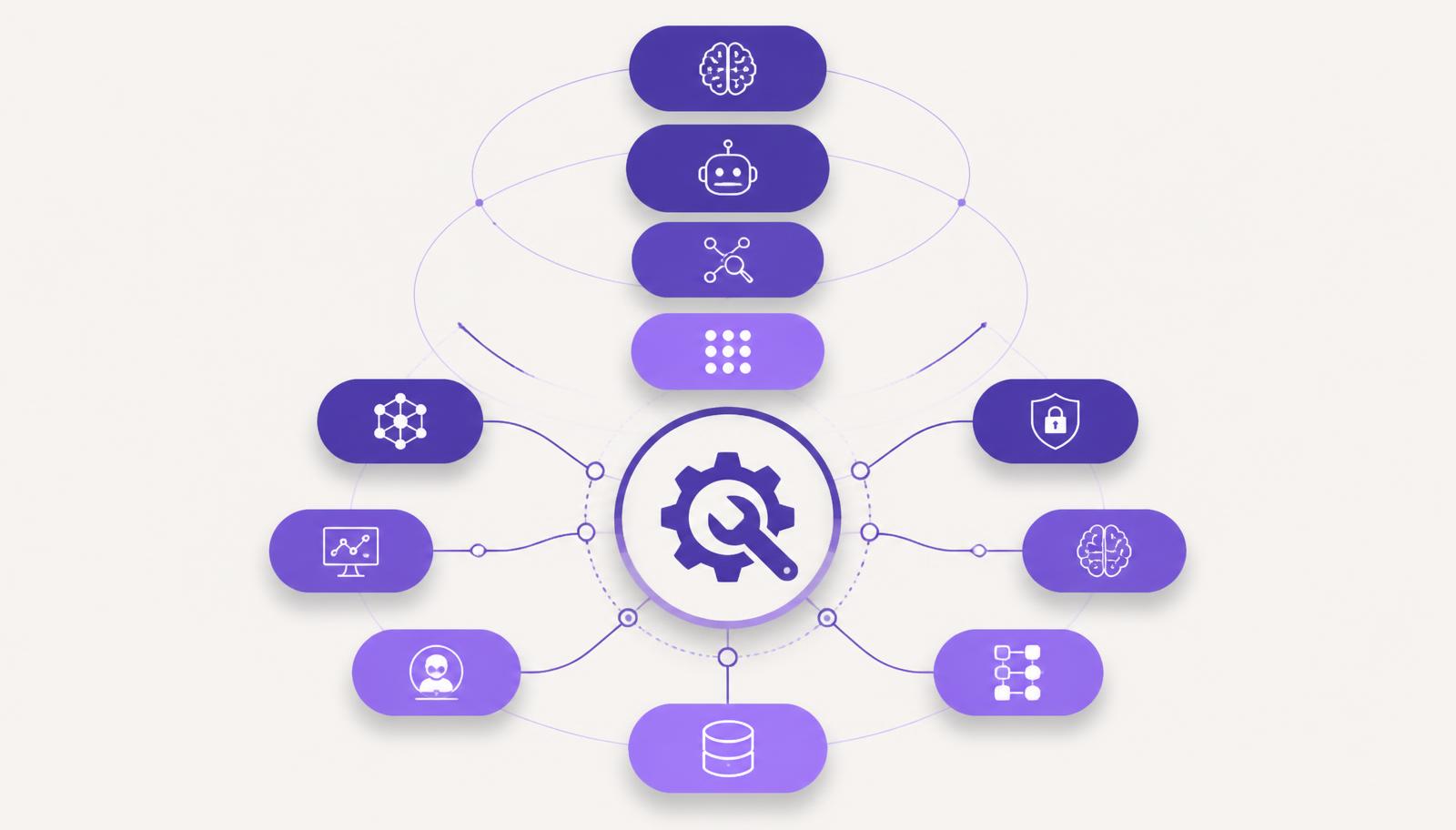

AI agents for SAP supply chains: start with decisions, not autonomy
A decision-led guide to using AI agents alongside SAP procurement and inventory workflows, with bounded actions, human approval and measurable outcomes.
Key takeaways
- Start with one owned operational decision
- Separate read, draft, approval and execution privileges
- Evaluate against real exceptions, not demo responses
Real-time Fraud & Solvency Analytics
Enterprise analytics programme delivered with a global strategy partner, fraud detection, solvency, and prudential analytics.
- Advanced Fraud DetectionAI model to detect frauds in real time
- Data-driven Decision MakingAnalytical dashboards & KPIs
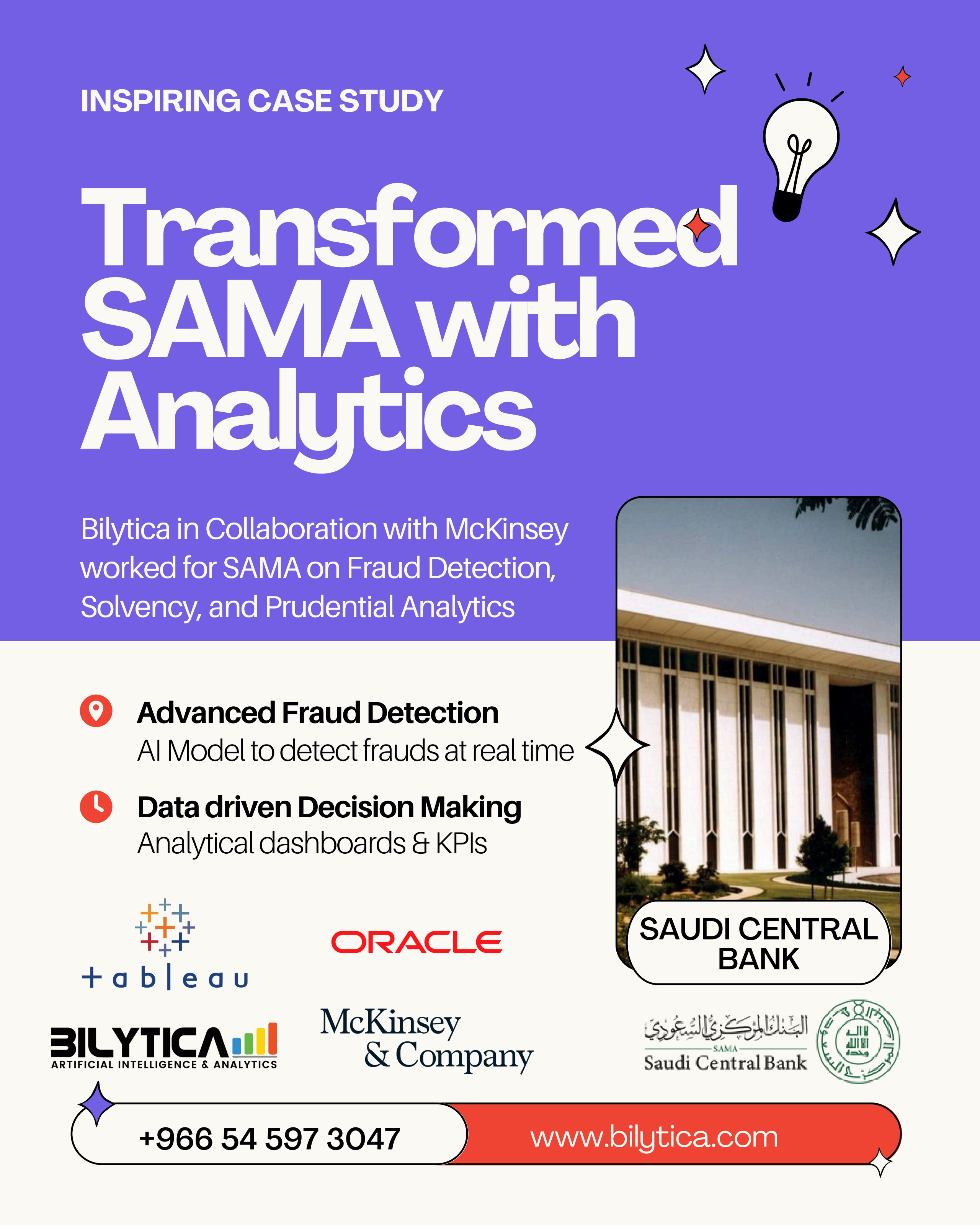
“An enterprise-wide analytics transformation, real-time AI fraud detection, solvency monitoring, and prudential analytics. Data-driven decision making is now at the core of regulator operations.”
Quick answer
An AI agent connected to SAP should not begin with permission to place orders. Begin with a specific decision: which late purchase orders need attention today, or which materials risk a stockout? Give the agent read-only, governed access to relevant records. Measure its suggestions against an agreed baseline. Only then consider tightly bounded actions with human approval, audit trails and rollback.
Start with the supply-chain decision
Pick one operational question and its owner. Examples include a buyer deciding which supplier delay to escalate, or a planner deciding which material needs a replenishment review. Define the cost of a missed signal and of a false alarm. Decide whether the desired output is a ranked queue, a drafted explanation or an approved transaction. These are different risk levels.
Map the data before designing the agent
Identify where the current facts reside: SAP purchase orders, goods receipts, inventory and master data; supplier confirmations; warehouse events; and external lead-time signals where licensed. Reconcile material and vendor identifiers, units, time zones and status codes. Record when a field was last updated and who owns its meaning. An agent can sound persuasive while reasoning from an outdated confirmation or a duplicated material number.
Define a bounded first use case
A useful initial task is to review delayed purchase orders and produce an exception list with evidence: expected receipt date, actual confirmation, affected stock, proposed owner and reason for prioritization. Cite the underlying record and timestamp for each recommendation. Do not let the model invent an order status when the source is unavailable; it should state the gap and request verification.
Decide what the agent may do
Separate four levels of access: read data; draft a recommendation; submit an action for approval; execute a permitted action. Give each level its own service identity and policy. For sensitive changes such as order amendments or supplier communication, require a named approver and a recorded before-and-after state. Set transaction limits and reject actions outside an allowlist. Test for prompt injection in supplier notes, email attachments and other untrusted text.
Build the integration around SAP controls
Use supported integration interfaces and the organizations established SAP security model. Avoid sharing a broad technical account with a chatbot. Put a validation service between model output and SAP write operations so that permissions, record state, business rules and idempotency are checked independently of the model. Keep personal and commercially sensitive information within the approved processing boundary, and assess where prompts, logs and embeddings are stored.
Evaluate against real operational outcomes
Compare the agent with the current workflow on a representative, permissioned historical sample. Track exception precision, false positives, analyst review time, avoided stockout risk and approved-action accuracy. Include hard cases: missing supplier confirmation, partial goods receipt, duplicate records and rapidly changing dates. A faster answer is not an improvement if it creates more rework or conceals uncertainty.
An operating model for rollout
Appoint a process owner, SAP owner, data steward and security reviewer. Monitor source failures, model drift, rejected actions and human overrides. Review the agent whenever procurement policy or the SAP process changes. Start read-only; expand privileges only when the evidence and controls justify it.
Questions for the design workshop
Which decision consumes the most planner time? What evidence does a buyer need to trust a recommendation? Which fields can be read, exported or written? Who can stop or roll back an action? The answers define the first scope more reliably than a list of AI features.
Related reading
Explore AI agents, data foundations and contact Bilytica to discuss an integration assessment.
References
- SAP Business Technology Platform documentation — integration and platform controls.
- SAP API Business Hub — product-specific interfaces; verify your installed product and license.
- Saudi Data & AI Authority — Saudi data protection resources.
Want These Results for Your Company?
Book a free AI assessment and see exactly how much you can save, with numbers, not buzzwords.