What is data governance, and where should a company start?
Data governance is about clear responsibility for data, not software. Here is what it covers, why it comes before analytics and AI, and a practical way to start.
Key takeaways
- Governance is about responsibility first and software second.
- Trusted data is a precondition for useful analytics and safe AI.
- Start with one data domain that already causes disputes or rework.
- Measure data quality and share the results with leaders regularly.
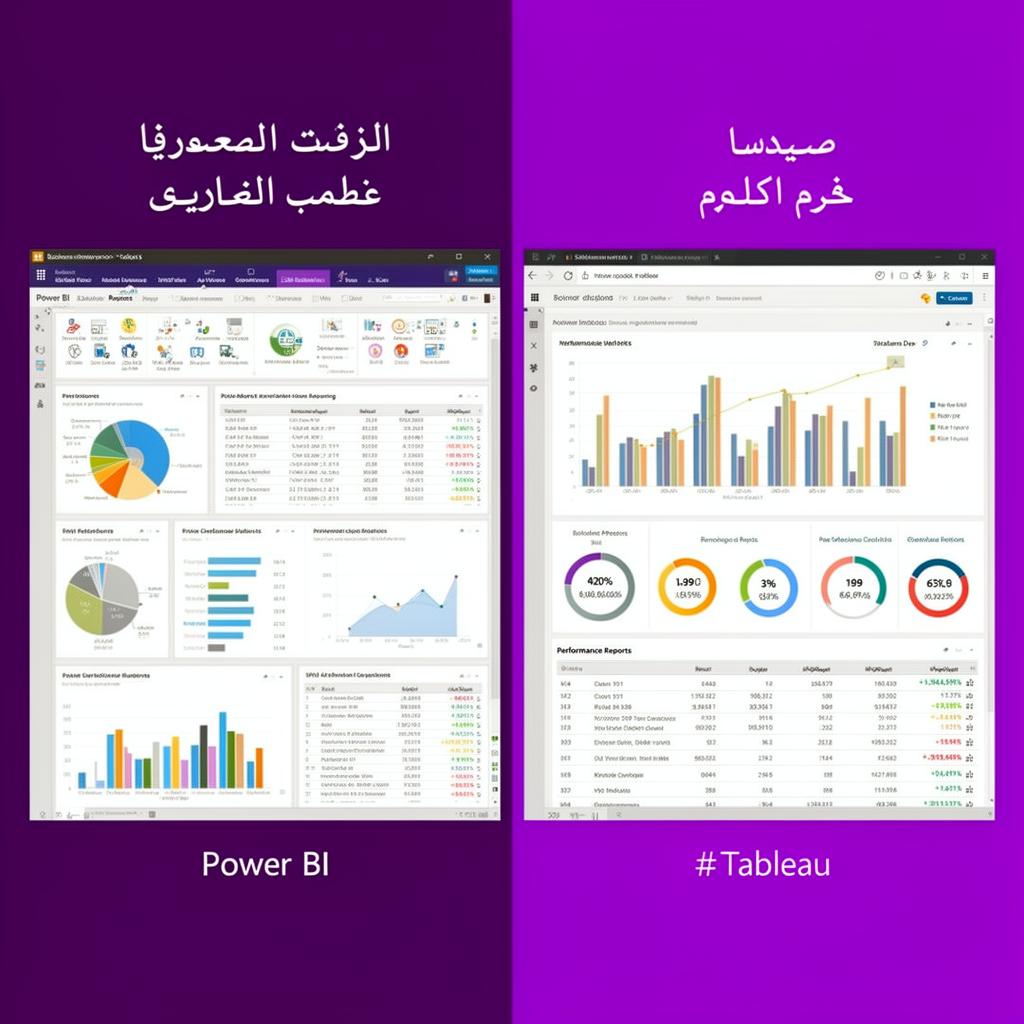
Live Bilingual Ministerial Reporting
An SDAIA-aligned data platform with Arabic-English ministerial dashboards.
- Sovereign Data PlatformIn-country hosting, NDMO-aligned
- Vision 2030 KPIsLive tracking of national NTP indicators

“Ministerial reporting moved from monthly PDFs to live bilingual dashboards, every Vision 2030 KPI updated daily and shared across agencies.”
Quick answer
Data governance is the set of decisions that tells everyone in a company who owns each important piece of data, what it means, who may use it and how its quality is checked. It is a matter of clear responsibility before it is a matter of software. A practical start is one business domain, such as customers or invoices, with a named owner, agreed definitions and a few quality rules that are checked regularly.
What data governance covers in practice
Most people picture policies and committees. In daily work, governance answers simple questions:
- Ownership: who decides what "active customer" means, and who approves a change to that definition?
- Definitions: does finance count revenue the same way sales does? A shared business glossary ends the argument.
- Quality: which checks run on the data (missing values, duplicates, out-of-date records), and who fixes a failure?
- Access: who can see salary, health or identity data, and how is that access granted, reviewed and removed?
- Lineage: where did a number on the dashboard come from, and which systems touched it on the way?
- Retention and privacy: how long is personal data kept, and how does the company respond when a person asks to see or correct their data?
In Saudi Arabia, the Personal Data Protection Law sets clear duties for collecting, using and sharing personal data, and public entities also work with national data management standards. Governance is how a company turns those duties into routine work, rather than a document that sits in a folder.
Why it comes before analytics and AI
Analytics and AI repeat whatever the data tells them, at speed. If two systems hold different records for the same customer, a dashboard shows two answers and an AI assistant picks one with confidence. Governance is what makes a number trustworthy enough to act on.
It also makes AI safer. An agent that may only read approved, classified data is far easier to control than one connected to everything.
Who owns what: the roles a company needs
You do not need a large new department. You need a few roles that are written down:
- Data owner: a business leader accountable for a domain, for example the finance director for invoices.
- Data steward: the person who maintains definitions and follows up quality issues day to day.
- Data custodian: usually IT or the platform team, responsible for storage, security and backups.
- Data council: a small group of owners who meet regularly to settle definitions that cross departments.
Where to start: one governed data domain
- Pick a domain that hurts. Choose data that already causes disputes or rework, such as customer master data, supplier records or monthly revenue.
- Name the owner and the steward. Without names, every issue becomes everyone's problem and no one's task.
- Agree a short glossary. Define the terms people argue about most, and publish them where everyone can find them.
- Write a few quality rules and measure them. For example: every customer has a valid ID or commercial registration number, no supplier bank account appears twice, and no invoice is dated in the future.
- Classify and restrict sensitive fields. Mark personal and confidential data and limit who can see it.
- Share the results. A simple quality scorecard that leaders review every month keeps attention on the work.
Once the first domain is stable, the same pattern extends to the next one. The tooling, such as a data catalog, quality monitoring and access policies on the data platform, can grow with it.
Common mistakes to avoid
- Starting with a tool purchase. A catalog without owners becomes an empty directory.
- Trying to govern everything at once. Broad programmes stall, while a single domain shows value people can see.
- Leaving it to IT alone. IT can secure data, but only the business can define what it means.
- Writing policy without measurement. If no one checks quality, nothing changes.
Getting started with support
Bilytica helps organisations set up governance around one domain first, then connect it to analytics and AI. If you want a second opinion on where to begin, talk to our team or read how we approach data governance.
Frequently Asked Questions
Is data governance the same as data management?
No. Data management is the hands-on work of storing, moving and processing data. Data governance sets the rules, responsibilities and checks that this work follows.
Do we need special software to start data governance?
Not at the start. Named owners, agreed definitions and a few quality checks can begin with the tools you already have. A data catalog and quality monitoring become useful once several domains are governed.
How does data governance relate to the Personal Data Protection Law?
The PDPL sets obligations for collecting, using and sharing personal data. Governance provides the owners, classification, access controls and records that let a company meet those obligations in daily work.
Who should lead data governance in a company?
A senior business sponsor, supported by data owners for each domain and stewards who handle day-to-day issues. IT secures and runs the platform, but the business should own what the data means.
Want These Results for Your Company?
Book a free AI assessment and see exactly how much you can save, with numbers, not buzzwords.