
Arabic-first enterprise AI for Saudi organisations, beyond translation
Arabic First Enterprise AI for Saudi Organizations: Beyond Translation
Real-time Fraud & Solvency Analytics
Enterprise analytics programme delivered with a global strategy partner, fraud detection, solvency, and prudential analytics.
- Advanced Fraud DetectionAI model to detect frauds in real time
- Data-driven Decision MakingAnalytical dashboards & KPIs
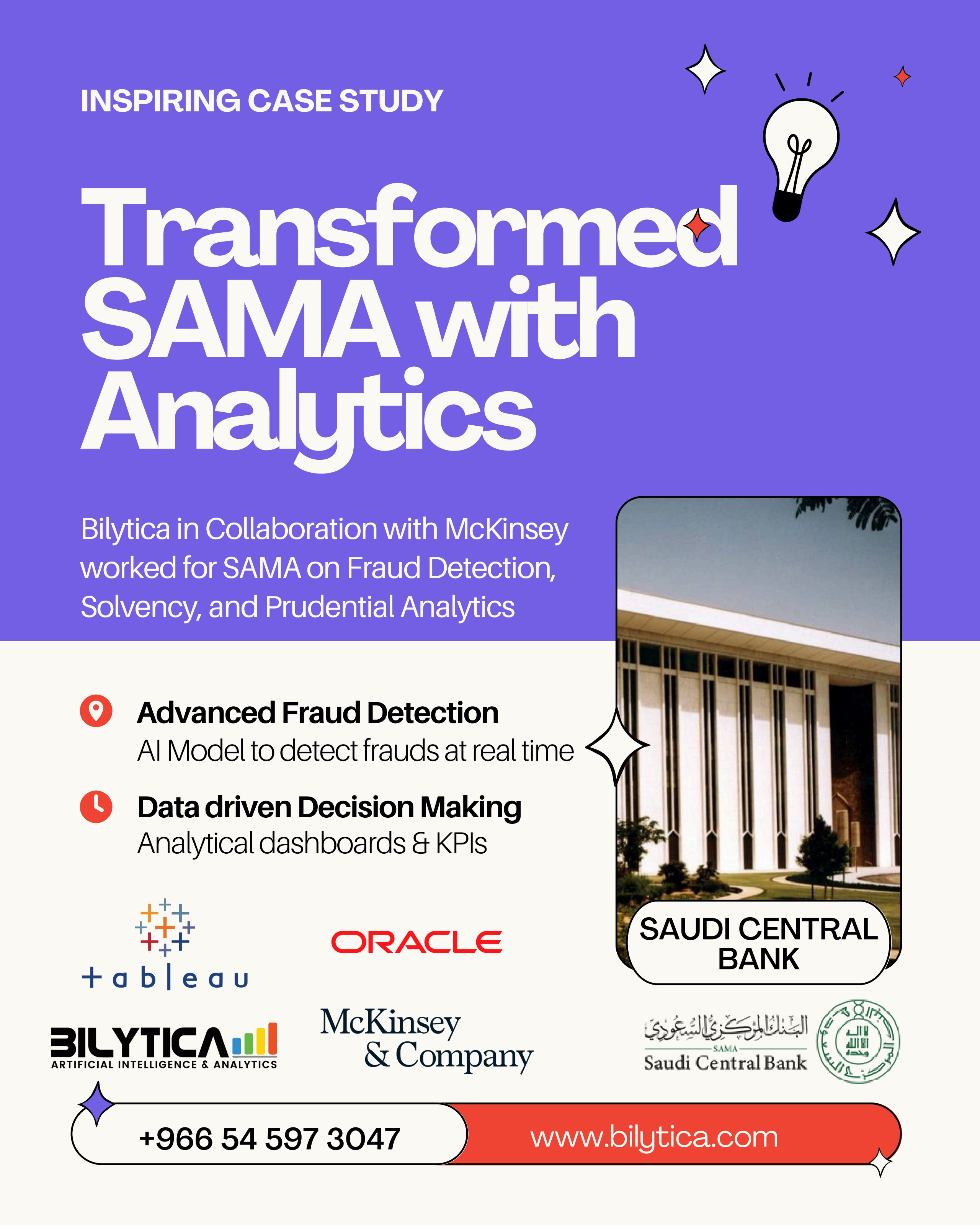
“An enterprise-wide analytics transformation, real-time AI fraud detection, solvency monitoring, and prudential analytics. Data-driven decision making is now at the core of regulator operations.”
Introduction
As digital transformation accelerates in the Middle East, particularly in Saudi Arabia and the Gulf Cooperation Council (GCC) region, businesses are increasingly leveraging artificial intelligence (AI) to gain a competitive edge. However, the traditional approach to AI implementation often overlooks the linguistic and cultural nuances specific to the Arabic-speaking market. This article explores the concept of Arabic-first enterprise AI and its significance for organizations in Saudi Arabia. By delving into the unique challenges and opportunities, this series will provide actionable insights for decision-makers aiming to harness the power of AI for their enterprise needs.
The Importance of Localization in AI Solutions
In the global context, AI technology has been predominantly developed and deployed using data and languages that predominantly cater to Western audiences. This can lead to significant challenges when applying such solutions to the Arabic-speaking market. Misunderstandings, errors, and inefficiencies can arise from a lack of localization, which can severely impact the effectiveness of AI solutions in real-world applications.
Challenges of Traditional AI Approaches
-
Data Quality: The majority of AI models are trained on English data, which may not accurately represent the complexities and nuances of the Arabic language. This can lead to misinterpretations and inaccuracies in translation, speech recognition, and natural language processing tasks.
-
Cultural Sensitivity: AI solutions need to be culturally sensitive to avoid offending or misunderstanding users. For example, references to local customs, traditions, and social norms need to be accurately represented.
-
Customization: Enterprises in the GCC region require tailored solutions that align with their business goals and local market dynamics. Generalized AI solutions may not address these specific needs effectively.
The Case for Arabic-First AI
To overcome these challenges, the concept of Arabic-first enterprise AI emerges as a more effective approach. This approach focuses on developing AI solutions specifically for the Arabic market, taking into account the unique linguistic and cultural aspects.
Benefits of Arabic-First AI
-
Enhanced Accuracy: By using Arabic data for training AI models, these solutions can achieve higher accuracy in tasks such as language translation, customer service chatbots, and content generation.
-
Cultural Relevance: Arabic-first AI ensures that the solutions are culturally appropriate and resonant with the target audience. This can lead to better user engagement and more effective communication.
-
Tailored Solutions: Enterprises can benefit from solutions that are specifically designed to meet their unique business needs, leading to more effective and efficient operations.
-
Competitive Advantage: Organizations that adopt Arabic-first AI can differentiate themselves from competitors who rely on generalized AI solutions. This can provide a significant competitive edge in the local market.
Implementing Arabic-First AI in Saudi Organizations
For Saudi enterprises looking to implement Arabic-first AI, there are several key steps to consider:
-
Data Collection: Gather high-quality Arabic data to train the AI models. This includes text, audio, and visual data that accurately represent the local market.
-
Collaboration with Local Experts: Work with language experts and cultural consultants to ensure that the AI solutions are both linguistically and culturally appropriate.
-
Customization: Develop solutions that are tailored to the specific needs of the organization. This may involve creating custom algorithms, training models, and integrating them into existing systems.
-
Testing and Evaluation: Thoroughly test the AI solutions to ensure they meet the desired performance and accuracy standards. Continuous evaluation and improvement are crucial for maintaining the effectiveness of the AI solutions.
Conclusion
In this first part of our series on Arabic-first enterprise AI for Saudi organizations, we have explored the importance of localization in AI solutions and the benefits of adopting an Arabic-first approach. By addressing the unique challenges and opportunities of the Arabic-speaking market, organizations can leverage AI more effectively and gain a competitive edge in the region.
Stay tuned for the next part, where we will delve deeper into the practical applications of Arabic-first AI and provide actionable insights for decision-makers.
Implementing Arabic-First AI Solutions in Saudi Enterprises
Enhancing Cultural Relevance and Local Insights
One of the critical factors in the successful implementation of AI in any enterprise is the relevance and cultural sensitivity of the technology. For Saudi Arabian and GCC-based organisations, adopting an "Arabic-first" approach in AI solutions ensures that the technology aligns with local cultural norms, values, and business practices. This approach goes beyond mere translation; it involves developing AI solutions that are deeply integrated into the local context, thereby enhancing the overall effectiveness and acceptance of these technologies.
Cultural Sensitivity in AI Development
Cultural sensitivity in AI development is crucial for ensuring that the technology is not only functional but also respectful and inclusive. This involves:
- Local Data Collection: Gathering data from local sources ensures that the AI models are trained on relevant and representative data. This reduces the risk of bias and ensures that the AI solutions are tailored to the specific needs of the local market.
- Customized Language Models: Developing language models that are specifically trained on Arabic text can improve the accuracy and relevance of AI-driven applications. This includes not just translations but also understanding the nuances of the Arabic language, which can significantly impact the performance of AI solutions.
- Ethical Considerations: Ensuring that AI solutions adhere to local ethical standards and regulations is essential. This includes considerations around privacy, transparency, and fairness, which are particularly important in a culturally diverse region like the GCC.
Local Knowledge and Expertise
Local knowledge and expertise play a vital role in the successful deployment of AI solutions. Saudi organisations can benefit from leveraging local talent and partnerships to develop and implement AI technologies that are not only culturally relevant but also aligned with local business goals.
- Partnerships with Local Universities and Research Institutes: Collaborating with local institutions can provide access to cutting-edge research and talent, ensuring that AI solutions are at the forefront of technological advancements.
- Local Workforce Training: Investing in the training and development of the local workforce can ensure that employees are well-equipped to utilise and integrate AI technologies effectively. This not only improves the adoption of AI but also fosters a culture of innovation and continuous improvement.
Tailoring AI Solutions for Specific Industries
The diverse industries within Saudi Arabia and the GCC present unique opportunities and challenges for AI implementation. Tailoring AI solutions to specific industry needs ensures that the technology delivers tangible benefits and supports the broader goals of the organisation.
- Healthcare: In the healthcare sector, AI can be used to improve patient outcomes, enhance medical research, and streamline administrative processes. Tailoring AI solutions to the local context, such as the prevalence of certain diseases or the availability of specific medical resources, can significantly enhance their effectiveness.
- Retail and E-commerce: For retailers and e-commerce companies, AI can drive personalisation, improve supply chain management, and enhance customer experience. Localised AI solutions can leverage regional consumer behaviors and preferences to optimise marketing strategies and customer engagement.
- Financial Services: The financial sector can benefit from AI-driven risk assessment, fraud detection, and customer service. Tailoring these solutions to local economic conditions and regulatory environments can help organisations stay ahead of the competition.
Best Practices for AI Implementation
To ensure the successful implementation of Arabic-first AI solutions, Saudi organisations should follow these best practices:
- Clear Objectives and KPIs: Defining clear objectives and key performance indicators (KPIs) helps in measuring the success of AI initiatives. This includes both quantitative metrics, such as cost savings and efficiency improvements, and qualitative metrics, such as employee satisfaction and customer feedback.
- Iterative Development and Testing: AI solutions should be developed through an iterative process, involving continuous testing and refinement. This ensures that the technology is robust and responsive to changing business needs.
- Stakeholder Engagement: Engaging key stakeholders, including employees, customers, and partners, is essential for the successful implementation of AI solutions. This helps in building trust and ensuring that the technology is well-received and integrated into the organisation's culture.
Conclusion
Implementing Arabic-first enterprise AI solutions in Saudi Arabia and the GCC requires a deep understanding of local cultural, economic, and regulatory contexts. By adopting a tailored approach that leverages local knowledge and expertise, organisations can ensure that AI technologies are not only effective but also culturally relevant and ethically sound. This not only enhances the overall performance of AI solutions but also positions organisations as leaders in the region’s technological landscape.
Enhancing Business Operations with Arabic-First Enterprise AI
Leveraging Localized AI Solutions for Competitive Advantage
In the rapidly evolving landscape of artificial intelligence (AI), the focus has traditionally been on English-centric solutions. However, for Saudi Arabian and GCC enterprises, adopting a more localized approach, specifically, Arabic-first AI solutions, can provide a significant competitive edge. This section explores how companies can benefit from deploying AI solutions that prioritize the Arabic language, ensuring they meet the unique needs and challenges of their market.
Addressing Language Barriers and Cultural Nuances
One of the most compelling reasons for Saudi organisations to adopt Arabic-first AI is the need to address language barriers. While English is widely used in business and technology, it remains a second language for many individuals. Arabic-first AI ensures that communication, data analysis, and decision-making processes are more accessible and understandable to all employees, regardless of their primary language. This not only enhances internal communication but also improves customer engagement and satisfaction.
Moreover, cultural nuances play a crucial role in business interactions. AI models that are trained on local data and language patterns can better understand and respond to cultural sensitivities, leading to more effective marketing strategies, customer service, and overall business operations. By integrating these localized AI solutions, companies can create a more inclusive and culturally aware environment, fostering trust and loyalty among their stakeholders.
Improving Data Accuracy and Relevance
Data accuracy is a critical factor in the success of any AI implementation. When AI models are trained on data that reflects the specific needs and behaviors of the local market, the insights generated are more accurate and relevant. In Saudi Arabia, where the population is diverse and the economic landscape is complex, a localized AI approach ensures that businesses can make informed decisions based on data that truly represents their target audience.
For example, an Arabic-first AI system can analyze social media trends, customer feedback, and market research to provide insights that are more aligned with local consumer behavior. This can help businesses tailor their products, services, and marketing strategies to better meet the needs of their customers, ultimately driving growth and profitability.
Enhancing Operational Efficiency and Innovation
Arabic-first AI solutions can significantly improve operational efficiency by automating routine tasks and processes. For instance, chatbots and virtual assistants powered by Arabic-first AI can handle customer inquiries and support requests, freeing up human resources to focus on more complex tasks. This not only improves customer service but also optimizes internal workflows, leading to increased productivity and cost savings.
Furthermore, by leveraging AI to analyze large volumes of data, organisations can identify trends, patterns, and opportunities that might be overlooked through traditional methods. This can drive innovation by enabling businesses to develop new products, services, and business models that are better suited to the local market. The ability to quickly adapt to changing market conditions and customer preferences can be a decisive factor in maintaining a competitive edge in the global business landscape.
Conclusion: Embracing Arabic-First AI for Saudi Enterprises
In summary, Arabic-first enterprise AI offers Saudi organisations a powerful tool for addressing language barriers, improving data accuracy, enhancing operational efficiency, and fostering innovation. By embracing these localized AI solutions, businesses can create a more inclusive and culturally aware environment, driving better decision-making and customer satisfaction. As the demand for more personalized and culturally relevant services continues to grow, adopting Arabic-first AI is not just an option, it is a strategic necessity for those looking to thrive in the competitive landscape of Saudi Arabia and the GCC.
Want These Results for Your Company?
Book a free AI assessment and see exactly how much you can save, with numbers, not buzzwords.