AI agent or chatbot: what is the difference for a business?
Chatbots answer questions. AI agents move work forward using your systems. Here is how to tell which one your business needs, and the controls an agent requires.
Key takeaways
- The real difference is permission to act, not intelligence.
- A chatbot is enough when answers already exist and no system needs changing.
- Agents need least-privilege access, human approval, audit trails and clear stop rules.
- Both fail politely on bad data, so data quality comes first.
Real-time Fraud & Solvency Analytics
Enterprise analytics programme delivered with a global strategy partner, fraud detection, solvency, and prudential analytics.
- Advanced Fraud DetectionAI model to detect frauds in real time
- Data-driven Decision MakingAnalytical dashboards & KPIs
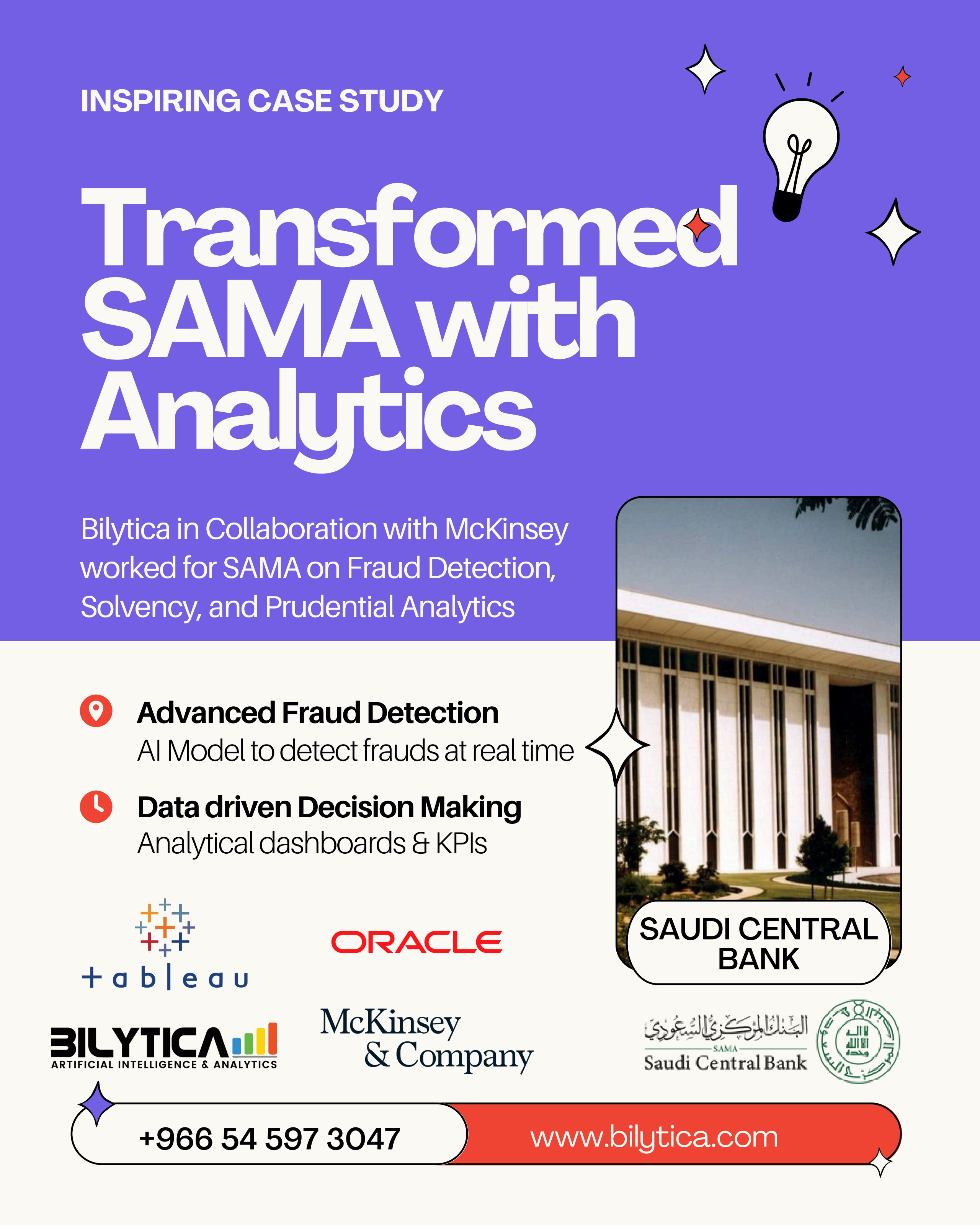
“An enterprise-wide analytics transformation, real-time AI fraud detection, solvency monitoring, and prudential analytics. Data-driven decision making is now at the core of regulator operations.”
Quick answer
A chatbot answers questions in a conversation. An AI agent works toward a goal: it can read data from your systems, decide on next steps, use tools such as your CRM or ERP, and complete or prepare a task, usually with a person approving important actions. If you mainly need to answer common questions on your website or WhatsApp, a chatbot may be enough. If you want work to move forward, such as following up an overdue invoice or preparing a purchase request, you are looking at an agent.
What a chatbot does
A chatbot handles a conversation. Modern chatbots use large language models to understand free text in Arabic and English and to answer from approved content such as FAQs, policies or product information. Typical uses include:
- Answering customer questions on the website, app or WhatsApp outside working hours.
- Helping employees find HR or IT policies.
- Collecting details and passing the conversation to the right person.
The chatbot's job ends when the answer is given or the conversation is handed over.
What an AI agent does differently
An agent is given a goal and access to tools. It plans steps, takes them, checks the result and continues. For example, a collections agent might:
- Read overdue invoices from the finance system.
- Check each customer's payment history and any open disputes.
- Draft a reminder in the customer's language, with the right tone.
- Send the draft for approval, then log the action in the CRM.
The difference is not intelligence. It is permission to act, which is why agents need more design and stronger controls.
When a chatbot is enough
- The questions are repetitive and the answers already exist in documents.
- No system needs to change after the conversation.
- The main goal is faster responses and fewer routine calls.
When you need an agent, and the controls it needs
Consider an agent when a process spans several systems, involves repeated judgement and has a clear outcome, such as contract renewals, collections, bid compliance checks or KPI alerts. Before connecting an agent to real systems, put these controls in place:
- Least-privilege access: the agent reads and writes only what its task requires.
- Human approval: payments, customer commitments and other significant actions wait for a named person.
- Audit trail: every step the agent takes is recorded and can be reviewed.
- Stop rules: clear conditions for when the agent must pause and hand over to a person.
- Evaluation: outputs are tested against real cases before launch and monitored afterwards.
Why both depend on clean, governed data
A chatbot that answers from outdated policies gives wrong answers politely. An agent that acts on duplicated customer records can send the wrong reminder to the wrong person. The quality, ownership and access rules of the underlying data matter more than the model you choose.
Next step
Bilytica builds Arabic and English chatbots and AI agents on governed data, with human approval designed in. See our AI agents service or contact us to discuss a use case.
Frequently Asked Questions
Is an AI agent just a smarter chatbot?
Not exactly. Both can use the same language models. The difference is that an agent has a goal, access to tools and systems, and permission to take steps, which is why it needs stronger controls.
Can chatbots and AI agents work in Arabic?
Yes. Modern language models understand Arabic and English, including regional phrasing. Quality depends on testing with real customer and employee conversations, not only translated examples.
Can an AI agent work on WhatsApp?
Yes. An agent can receive requests through WhatsApp, the website or internal tools, check your systems and respond or prepare actions, with sensitive steps waiting for staff approval.
Is it safe to let an AI agent act in our ERP or CRM?
It can be, with controls: access limited to the task, human approval for significant actions, a full audit trail, and testing against real cases before and after launch.
Want These Results for Your Company?
Book a free AI assessment and see exactly how much you can save, with numbers, not buzzwords.